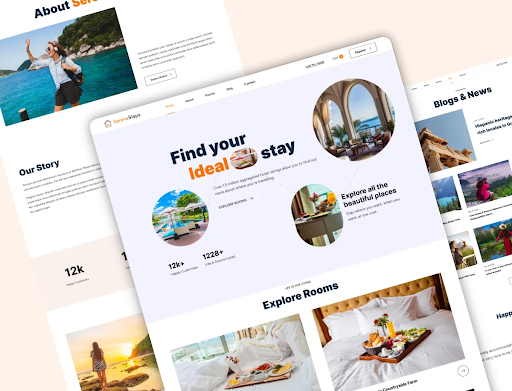
Hotel Website Design in UK: Best Practices for Local Hotels to Attract More Guests
Booking behavior today depends on structure, speed, and clarity. Guests judge reliability through layout, load time, and flow. A slow page or confusing booking path breaks trust early. Technical design choices now decide whether a visitor stays or exits. This is why hotel website design in UK hotels must focus on performance, usability, and booking intent. For independent properties, small hotel website development creates the foundation for visibility, control, and long-term guest engagement.
Local hotels in the UK compete in a crowded search space. Guests compare several options within minutes. They scan pages, glance at prices, and check reviews before deciding. A hotel website must support this behavior instead of resisting it. Design should reduce effort, guide attention, and make booking feel safe and simple.
Understanding How UK Guests Use Hotel Websites
UK travellers rely on speed and clarity when browsing hotel sites. They expect clear pricing, direct booking access, and honest room details. Long descriptions and layered menus cause frustration. Guests want answers without effort.
Websites must respect short attention spans. Important details should appear early on each page. Navigation should stay consistent across devices. For hotel website design in UK, usability matters more than visual flair. Clean layouts often outperform complex designs.
For smaller properties, small hotel website development benefits from this approach. Simpler websites cost less to maintain and convert better over time.
Mobile-First Design Is a Core Requirement
Most guests search for hotels using mobile devices. Websites that fail on small screens lose bookings instantly. Mobile-first design ensures layouts adapt without hiding key information. Booking buttons must remain visible and easy to tap.
Text should stay readable without zooming. Images should resize without breaking layouts. Forms must remain short and easy to complete. A mobile-first structure also improves search engine visibility.
For hotel website design in UK, mobile performance supports both user experience and discoverability. Hotels that invest here see stronger engagement from casual visitors.
Booking Flow Should Feel Natural and Direct
Guests dislike complex booking paths. A website should guide users from room selection to payment without confusion. Every step should feel intentional and predictable.
Availability calendars should load fast and show clear pricing. Rate changes should reflect instantly. Inconsistent pricing causes doubt and abandonment. Design must keep pricing visible during the booking journey.
Effective small hotel website development focuses on fewer steps, fewer fields, and fewer distractions. This improves completion rates without extra marketing effort.
Reviews Play a Central Role in Trust
Guests trust other guests more than brand messages. Reviews help visitors decide faster. They reduce uncertainty and support confidence at checkout.
Reviews should appear near room details and booking buttons. Star ratings and short feedback work better than long testimonials. Placement matters more than quantity.
For hotel website design in UK, review integration builds credibility without clutter. It reassures users at critical decision points and reduces last-minute hesitation.
Local Context Helps Guests Commit
Guests want to understand where they will stay. Nearby landmarks, transport links, and walkable areas influence decisions. Short, relevant local content helps guests picture the experience.
Maps should load quickly and show practical distances. Descriptions should stay focused on convenience. Avoid long travel guides that distract from booking intent.
Local relevance also supports search performance. Small hotel website development benefits when location-based content aligns with user intent and site structure.
Visual Consistency Sets Expectations
Photos shape guest expectations before arrival. Inconsistent images reduce trust. Visuals should reflect real room sizes, layouts, and lighting.
Avoid stock images that misrepresent the property. Real photos create honest impressions and reduce complaints. Design should support visuals without slowing the site.
For hotel website design in UK, image optimization matters. Proper sizing and compression keep pages fast while maintaining quality.
Accessibility Improves Overall Experience
Accessible design benefits all users. Clear contrast improves readability. Simple fonts reduce strain across devices.
Alt text supports screen readers. Logical navigation helps users with mobility challenges. Accessibility also reflects professionalism and care.
UK guests expect inclusive design standards. Websites that meet these expectations feel more trustworthy and welcoming. This approach supports both ethics and usability.
Speed Influences Trust and Conversions
Slow websites lose visitors quickly. Guests rarely wait for heavy pages to load. Performance depends on hosting quality, image size, and clean code.
Avoid unnecessary scripts and animations. Focus on essential elements only. Faster load times improve engagement and search rankings.
For small hotel website development, speed creates a strong advantage. Clean design often converts better than complex layouts.
Supporting Direct Bookings Through Design
A hotel website should encourage direct bookings clearly. Booking buttons must stand out without feeling aggressive. Benefits should remain visible throughout the site.
Flexible policies and transparent pricing build confidence. Design should support these messages without overwhelming users.
Effective hotel website design in UK reduces reliance on third-party platforms. It allows hotels to maintain pricing control and guest relationships.
Conclusion
A hotel website acts as a booking engine, trust signal, and brand anchor. Design choices shape how guests perceive reliability and ease. Mobile-first layouts, visible reviews, fast performance, and clear booking paths matter most. Local relevance and honest visuals support confident decisions.
When design aligns with operational systems, results improve further. This is where RateTiger plays a supportive role. RateTiger enables real-time room rate and availability management from a single platform. Hotels using it experience steady growth in online bookings. With hundreds of distribution channels and technology partners, visibility remains strong. Large volumes of availability and rate data process reliably each year. Combined with thoughtful website design, such systems help UK hotels attract more guests while maintaining control and consistency.