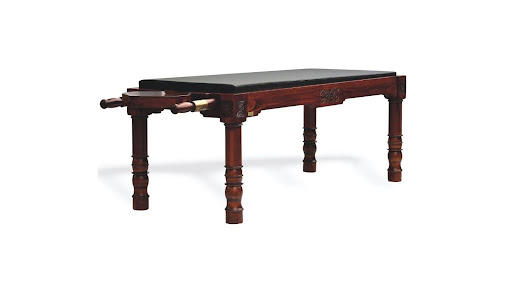
Ayurveda Table Designs: Maximizing Therapist Comfort and Client Relaxation
In professional wellness centers, the quality of a therapy session is influenced not only by the skill and technique of the therapist but also by the tools and equipment used to deliver the treatment. One of the most critical pieces of equipment in Ayurvedic therapies is the Ayurveda Massage Table, which serves as the foundation for both client comfort and therapist efficiency. Selecting the right table involves a careful balance between ergonomic function and aesthetic design, ensuring that therapists can work without strain while clients enjoy deep relaxation. A well-chosen table not only supports effective treatment techniques but also enhances the ambiance of the spa, reflecting professionalism and attention to detail.
This guide explores the critical features of these massage tables that optimize both client relaxation and therapist comfort, providing practical insights for spa owners and wellness professionals.
Ergonomic Design for Therapist Efficiency
Ergonomic design is the foundation of an effective massage table, allowing therapists to perform treatments with precision and minimal strain. Thoughtfully designed features such as adjustable height and stable frameworks ensure both safety and efficiency.
- Adjustable Height: Allows therapists to set the table at an optimal level for every treatment, promoting proper posture. This reduces fatigue during long sessions and prevents musculoskeletal strain. Adjustable height ensures consistent therapy quality while maintaining therapist comfort.
- Tiltable Backrests: Supports a variety of treatment techniques by allowing precise positioning of the client’s upper body. Clients remain aligned and comfortable, enhancing relaxation during sessions. Tiltable backrests provide flexibility, accommodating both the therapist’s needs and therapy requirements.
- Arm and Leg Support: Detachable or adjustable arm and leg rests improve client positioning. They provide therapists with better leverage for applying pressure accurately. Supports enhance comfort and accessibility, making treatments more efficient and safe.
- Stable Framework: Constructed from high-quality hardwood or reinforced metal for long-term durability. A stable frame prevents wobbling, ensuring client safety during therapy. It allows therapists to perform techniques confidently, without interruptions or instability.
- Accessibility: Side cutouts and ergonomic design enable therapists to move freely around the table. Improves precision during treatments by providing easy access to all body areas. Enhances both client safety and therapist efficiency in a professional environment.
Ergonomic features directly impact therapist performance, allowing them to deliver effective treatments without physical strain.
Client-Centric Comfort Features
Client comfort is paramount in creating a relaxing and restorative treatment experience. Cushioned surfaces, adjustable headrests, and supportive arm and leg rests ensure that clients remain at ease throughout the session.
- Cushioning and Upholstery: High-density foam with contoured surfaces supports clients’ bodies evenly. This design minimizes pressure points, making long therapy sessions comfortable. Proper cushioning enhances relaxation while maintaining durability for professional use.
- Headrest Adjustability: Customizable headrests allow precise alignment of the client’s neck. Improved neck positioning reduces strain and promotes deeper relaxation during treatments. Adjustable headrests also enable therapists to access different angles efficiently.
- Arm and Leg Comfort: Detachable or adjustable rests accommodate various body types. Clients can maintain natural, comfortable postures throughout therapy sessions. Proper support enhances overall relaxation and allows therapists to perform techniques effectively.
- Weight Distribution: Tables are engineered to evenly distribute client weight across the surface. This reduces localized pressure points, preventing discomfort during extended treatments. Balanced weight distribution ensures stability and enhances client confidence in the table.
- Smooth Finish: Oil-resistant and soft-touch upholstery provides a luxurious feel to clients. Surfaces are easy to clean and maintain hygiene standards in professional settings. Smooth finishes also contribute to an elegant appearance, complementing the spa environment.
Prioritizing client comfort ensures that treatments feel luxurious, calm, and restorative.
Functional Features Enhancing Therapy
Functional design elements transform a massage table into a versatile professional tool. Features such as oil management systems, customizable sections, and accessory compatibility streamline treatments while maintaining cleanliness and precision.
- Oil Management Systems: Integrated trays or drainage systems efficiently prevent oil spillage during treatments. This keeps the treatment area clean, reducing maintenance time and ensuring a hygienic environment. Effective oil management supports smooth therapy sessions and enhances overall client comfort.
- Customizable Sections: Adjustable back, leg, and arm sections allow therapists to position clients precisely for various treatments. This flexibility accommodates different body types and therapy requirements, improving session effectiveness. Customizable sections enhance both therapist efficiency and client relaxation during every session.
- Accessory Compatibility: Tables designed to support bolsters, side trays, and headrests offer greater treatment versatility. Attachments can be added or removed depending on therapy type, optimizing comfort and performance. Compatibility with accessories ensures seamless adaptation to multiple Ayurvedic therapies.
- Mobility: Foldable or wheeled tables can be easily moved to suit different room layouts and space requirements. Mobility allows therapists to adjust the table placement without effort, enhancing workflow efficiency. Portable designs also make storage and repositioning practical in busy spa environments.
- Multipurpose Use: Tables designed for multiple Ayurvedic therapies maximize usability across sessions. They allow spa owners to offer a variety of treatments without needing separate equipment for each. Multipurpose design improves operational efficiency while maintaining consistent client comfort.
Functional features ensure therapists can deliver treatments accurately while clients remain fully relaxed.
Conclusion
Selecting the right Ayurveda Massage Table involves careful consideration of both functional and aesthetic design elements. Ergonomic adjustments, high-quality materials, cushioning, and supportive features ensure maximum therapist efficiency and client relaxation. Functional aspects like oil management, adjustable sections, and accessory compatibility further enhance usability, while elegant finishes and cohesive design create a professional and calming environment.
For high-quality, professional spa furniture that seamlessly combines comfort, durability, and design excellence, SPA Furniture provides expertly crafted solutions, including the Shirodhara Massage Bed, tailored to the needs of modern wellness centers. Each piece is thoughtfully designed to support both client relaxation and therapist efficiency, while maintaining a visually appealing, professional appearance. With a focus on functionality, premium materials, and ergonomic design, SPA Furniture ensures that every treatment space reflects quality, elegance, and long-lasting performance.