
Pack, Protect, Impress: Elevate Your Brand with Smart Packaging
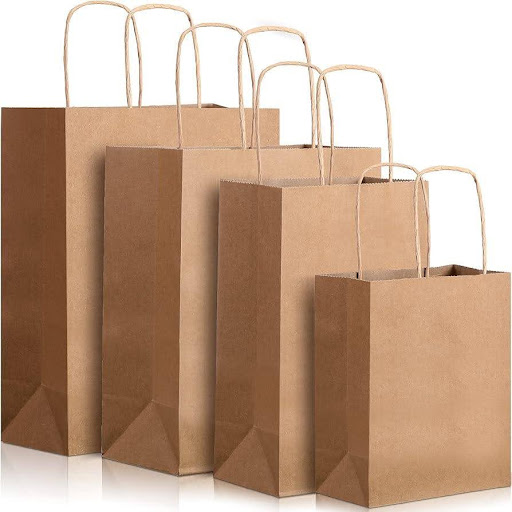
Packaging is more than just a container, it is a crucial extension of your brand and a tool to elevate the customer experience. Selecting reliable brown paper bag suppliers ensures that your products are protected during transit while communicating sustainability and quality. High-quality paper bags offer durability and reusability, making them ideal for retail, gifting, and e-commerce. Consumers today increasingly value eco-friendly packaging, and businesses that prioritize environmentally responsible materials are more likely to earn loyalty and positive reviews.
Packaging also serves as a silent marketing tool. A well-designed bag with your brand logo, signature colors, or a unique texture leaves a lasting impression on customers. When a consumer receives a product in thoughtfully crafted packaging, it signals professionalism, attention to detail, and brand integrity. This first point of contact can transform an ordinary transaction into a memorable experience. Choosing trusted suppliers for materials like kraft paper, reinforced handles, and biodegradable finishes ensures that your products arrive in perfect condition while supporting sustainability.
Creating Effective Product Packaging
Effective product packaging balances protection, functionality, and brand storytelling. Implementing strategic design decisions helps brands deliver products safely, enhance the unboxing experience, and reinforce identity across all touchpoints.
- Protect Products During Transit
Product safety is the foundation of packaging. Packaging must be strong and durable to prevent damage during shipping and handling. Fragile items require cushioning, inserts, or compartments to reduce movement within the bag or box. For heavier items, reinforced bottoms and sturdy materials prevent tears or collapses. A secure package ensures that customers receive products intact, minimizing returns, replacements, and dissatisfaction. This reliability builds trust and strengthens the relationship between the brand and the consumer. Brands that prioritize protection also reduce operational losses and shipping errors. - Enhance the Customer Experience
Packaging is an opportunity to delight customers. Features such as easy-open tabs, compartments, and reusable designs increase usability and convenience. Thoughtful design makes the unboxing experience enjoyable, encourages repeat purchases, and can even inspire social sharing. For instance, brands that include personalized notes, branded tissue paper, or clever compartments for multiple items create memorable moments that stand out in a crowded market. Packaging that engages customers emotionally strengthens loyalty and enhances perceived product value. - Integrate Brand Identity
Packaging serves as a direct reflection of a brand’s identity. Including logos, brand colors, and distinctive finishes ensures recognition and consistency. Cohesive visual elements across all packaging reinforce brand messaging and make products instantly identifiable. Incorporating premium touches, like embossed logos, metallic foils, or textured materials, elevates perception and aligns with brand values. Whether packaging is for retail shelves or e-commerce delivery, design elements communicate quality, professionalism, and attention to detail, making every product interaction meaningful. - Optimize Size and Structure
Correct sizing and structural design improve both protection and efficiency. Oversized packages lead to wasted space and higher shipping costs, while undersized packaging risks damage. Custom-fit dimensions keep products secure, minimizing movement. Structural considerations, including foldable flaps, reinforced corners, or inserts, provide additional protection while improving usability. Properly optimized packaging also enhances warehouse organization, simplifies stacking, and maximizes shipping efficiency, which is particularly important for businesses handling large volumes or multiple SKUs. - Implement Sustainable Materials
Eco-friendly packaging has become a non-negotiable standard. Using recyclable, biodegradable, or reusable materials demonstrates a brand’s commitment to sustainability. Materials like kraft paper, corrugated inserts, or plant-based inks reduce environmental impact while maintaining durability and visual appeal. Consumers increasingly choose brands that prioritize responsible packaging, making sustainability a competitive advantage. In addition, sustainable packaging can reduce waste and operational costs when materials are designed efficiently, creating a win-win for both businesses and the planet. - Simplify Logistics and Storage
Smart packaging design improves operational efficiency. Modular, stackable, or foldable packaging reduces storage space and simplifies transportation. Clearly labeled compartments, lightweight yet strong materials, and standardized shapes optimize handling during shipping, stocking, and delivery. Efficient packaging minimizes labor time, decreases shipping errors, and ensures timely delivery, directly affecting profitability and customer satisfaction. Thoughtful logistics-focused design complements protective and aesthetic features, creating a comprehensive packaging strategy. - Combine Functionality and Aesthetics
Packaging should provide protection and appeal. Functional elements such as inserts, protective compartments, or secure closures prevent damage and improve usability. Aesthetic touches like consistent color schemes, textures, patterns, and finishes enhance perceived value. Premium-looking packaging communicates quality, attracts attention, and makes unboxing memorable. By combining utility and design, brands create packaging that protects products while generating positive emotional responses, driving repeat purchases and strengthening brand reputation. - Encourage Repeat Purchases
Packaging directly impacts customer loyalty. Premium, reusable, or personalized packaging leaves a strong impression, encouraging customers to buy again. Thoughtful touches such as branded bags, unique inserts, or limited edition designs make the brand memorable. Satisfied customers are more likely to recommend the brand to others, share images on social media, and return for future purchases. Investing in packaging that excites customers transforms ordinary transactions into long-term relationships, reinforcing brand value. - Consider Seasonal or Special Editions
Seasonal campaigns, limited editions, or special events provide opportunities to create excitement with packaging. Temporary designs, festive colors, or thematic illustrations engage customers and promote urgency. While experimenting with new looks, brands should maintain core visual identity to ensure recognition. Seasonal or promotional packaging not only drives sales but also communicates creativity, attention to trends, and brand relevance, adding strategic value beyond functional protection. - Maintain Consistency Across Products
Consistency strengthens recognition and trust. All packaging should align visually and structurally, from small bags to larger boxes, creating a cohesive brand experience. Consistent elements like logos, colors, fonts, and finishes reinforce reliability and professionalism. Uniform packaging across products communicates attention to detail and ensures that every customer interaction reflects the same level of quality. This cohesive approach solidifies brand identity and enhances overall consumer perception.
By implementing these strategies, businesses can create effective product packaging solutions that protect products, elevate brand perception, and enhance customer satisfaction.
Conclusion
Working with experienced custom packaging vendors ensures packaging is functional, visually appealing, and aligned with your brand’s identity. Vendors provide guidance on materials, design, and finishing techniques, transforming packaging into an impactful unboxing experience that fosters loyalty and recognition.
Hotpack, a global leader in packaging solutions, offers innovative, sustainable, and high-quality boxes, bags, and cartons. Their expertise in materials, design, and logistics ensures durability, operational efficiency, and brand consistency.


