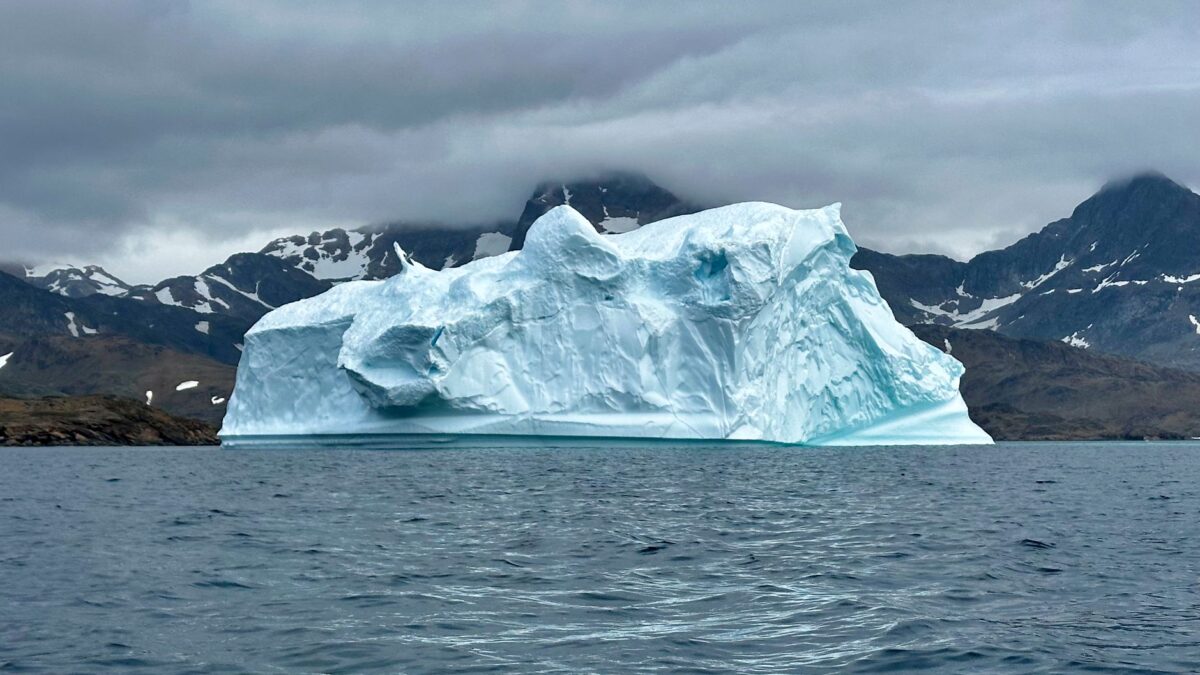
Trump Greenland acquisition: The Worst Political Move Ever
Trump Greenland acquisition has sparked significant debate and controversy, nearly leading to a rift within NATO. This article explores the implications of this political maneuver.
Background of the Greenland Acquisition
The idea of the Trump Greenland acquisition emerged in 2019 when former President Donald Trump expressed interest in purchasing the autonomous territory from Denmark. This proposal was met with widespread criticism and disbelief, both domestically and internationally.
Critics argued that the move was impractical and reflected a misunderstanding of international relations. The Danish Prime Minister, Mette Frederiksen, dismissed the offer as “absurd,” leading to a diplomatic rift between the United States and Denmark.
The Greenland acquisition plan raised questions about the United States’ strategic interests in the Arctic, a region rich in resources and geopolitically significant. Supporters claimed that acquiring Greenland could strengthen U.S. presence in the Arctic and enhance national security. However, many viewed the proposal as a publicity stunt rather than a serious diplomatic effort.
In the aftermath of the controversy, the focus shifted to the implications of such a proposal on NATO relations. The fallout from Trump’s Greenland acquisition attempt highlighted the delicate balance of international diplomacy and the potential for misunderstandings among allies.
- Diplomatic tensions with Denmark
- Criticism from political analysts
- Concerns over Arctic strategy
Impact on NATO Relations
The Trump Greenland acquisition proposal sparked significant tensions within NATO, raising concerns about the United States’ commitment to its allies. As President Trump publicly expressed interest in purchasing Greenland, many NATO members perceived this move as a potential shift in U.S. foreign policy priorities.
Key impacts on NATO relations included:
- Increased skepticism: Allies began to question the reliability of the U.S. under Trump’s leadership, worrying that unilateral decisions might undermine collective security.
- Strained diplomatic ties: Several nations voiced their discontent, leading to harsh criticism of the administration’s approach to international negotiations.
- Geopolitical realignment: The focus on Greenland drew attention away from critical issues such as Russia’s aggression in Eastern Europe, which is vital for NATO’s strategic interests.
In essence, the Trump Greenland acquisition not only raised eyebrows but also threatened to weaken the unity of NATO. The fallout from this controversial proposal may linger, as member countries reassess their trust in U.S. leadership and the future of transatlantic relations.
Public Reaction to Trump’s Proposal
The public reaction to Trump’s proposal for the Greenland acquisition has been overwhelmingly negative. Many citizens expressed disbelief at the idea of purchasing a territory from Denmark, viewing it as a misguided and frivolous political move.
Social media platforms exploded with memes and criticism, highlighting the absurdity of the situation. Some users remarked that the proposal seemed more like a real estate transaction than a serious diplomatic initiative.
In a recent poll, nearly 70% of respondents disapproved of the idea, with many labeling it as an “embarrassment” for the United States. Critics argued that it detracted from more pressing issues facing the nation, such as healthcare and climate change.
Furthermore, political analysts suggested that this proposal strained relations not only with Denmark but also with other NATO allies, who were puzzled by the focus on territorial acquisition rather than collaborative security efforts.
As the fallout from the Trump Greenland acquisition continues, it remains to be seen how this will impact his administration’s standing both domestically and internationally.
Historical Context of Greenland
Greenland, the world’s largest island, has a rich history intertwined with colonialism and geopolitical interests. Originally inhabited by the Inuit, it became a Danish colony in the 18th century. Over the years, Greenland’s strategic location has made it a focal point for global powers, especially during the Cold War when the island’s bases were crucial for military operations.
In the 20th century, the United States established a presence in Greenland, notably at Thule Air Base, which remains operational today. The island’s vast natural resources, including minerals and potential oil reserves, have further increased its geopolitical value. However, the concept of a U.S. acquisition of Greenland is not new. Various administrations have explored the idea, but it gained unprecedented attention during President Trump’s proposal.
The Trump Greenland acquisition initiative was perceived as a revival of imperialistic tendencies, stirring debates over national sovereignty and self-determination. This historical context sheds light on the complexities surrounding Greenland’s future and the implications of external interests in its governance. As discussions continue, the legacy of colonialism and the island’s unique cultural identity will remain at the forefront of any negotiations.
Future of US-Denmark Relations
The future of US-Denmark relations appears uncertain in the wake of the controversial Trump Greenland acquisition proposal. This unprecedented move has raised eyebrows and sparked debates not only in the United States but also across Europe. The relationship between the two nations, historically characterized by cooperation and mutual respect, faces potential strains as Denmark reacts to Trump’s assertive stance on Greenland.
Many Danish officials expressed shock and dismay at the suggestion, viewing it as an affront to their sovereignty. As a result, Denmark’s Prime Minister publicly dismissed the notion, emphasizing that Greenland is not for sale. This rejection has led to diplomatic tensions, with both parties needing to navigate the fallout carefully.
In light of these developments, the future of bilateral relations hinges on the ability of both nations to reconcile differing perspectives. Key factors influencing this dynamic include:
- Economic Cooperation: Opportunities for trade and investment.
- Security Alliances: Collaborations within NATO and regional security.
- Climate Change: Joint initiatives in environmental protection.
Ultimately, the Trump Greenland acquisition proposal may redefine how the US and Denmark engage on various fronts.
The Trump Greenland acquisition has been widely criticized for its lack of strategic foresight. Many political analysts argue that the Trump Greenland acquisition reflects a troubling trend in foreign policy decision-making.
Photo by Chris Spain on Pexels