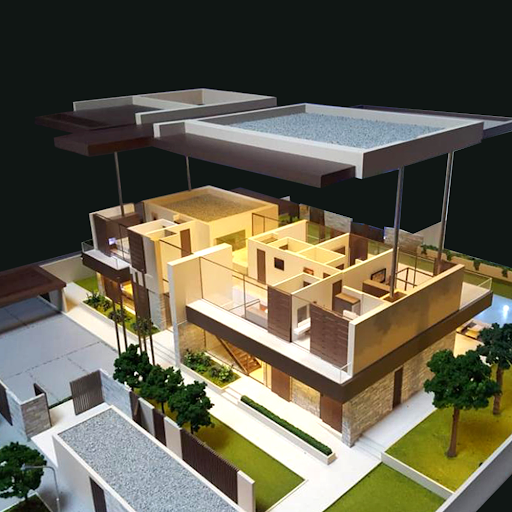
The Role of Scale Models: Visualizing Landmark Design Projects
In architecture and urban planning, turning concepts into reality can be challenging. Designers, architects, and developers need effective tools to bridge imagination and execution. Landmark model design visualization serves this purpose by offering detailed, three-dimensional representations of projects. These miniature models allow stakeholders to grasp design intent, spatial relationships, and aesthetics before construction starts. They provide a tangible view of the project, highlighting potential design improvements and functional aspects.
By visualizing structures in physical form, scale models enhance communication, reduce errors, and ensure that everyone involved, from clients to planners, clearly understands the project’s vision.
Understanding Landmark Model Design Visualization
Landmark model design visualization is the practice of creating physical or digital models that replicate significant architectural or urban projects. These models are more than simple miniatures; they capture intricate details, textures, and proportions to communicate the essence of a building or development. By using these models, designers can evaluate how a structure interacts with its surroundings, assess its functionality, and identify potential design improvements. Visualization at this level ensures that every aspect of the project is considered, reducing errors and enhancing decision-making.
Scale models are invaluable for large-scale developments, such as commercial complexes, cultural landmarks, and urban regeneration projects. They allow city planners, investors, and clients to explore the project in a way that drawings or digital renderings alone cannot achieve. The tactile experience of interacting with a physical model provides a sense of scale and perspective, helping viewers grasp the true impact of the structure within its environment.
The Importance of Detail in 3D Building Models
Creating accurate 3d walkthrough building models in KSA involves meticulous attention to detail. Every element, from façade textures to landscape features, contributes to the overall understanding of the project. Detailed models help identify design flaws early, streamline construction processes, and enhance presentations to clients or regulatory authorities. When executed correctly, these models can also serve as marketing tools, showcasing the project’s potential to investors or the public.
Modern technologies have enhanced the precision of model-making. Laser cutting, 3D printing, and CNC machining enable designers to produce highly accurate components that mirror the final structure. These technological advancements, combined with traditional craftsmanship, create models that are both visually striking and functionally informative. Whether used for internal review or public exhibition, detailed models communicate complex ideas clearly and effectively.
Enhancing Communication with Clients and Stakeholders
One of the primary benefits of landmark model design visualization is improved communication. Architects and developers often face the challenge of conveying intricate designs to clients who may not be familiar with technical drawings or architectural plans. Scale models simplify this process by offering a clear, three-dimensional perspective. Clients can visualize spaces, understand layouts, and appreciate design intentions, leading to more informed decisions and greater satisfaction.
Interactive models further elevate communication. By incorporating movable components, lighting, and even augmented reality features, designers can demonstrate functionality and spatial relationships in real-time. This immersive experience allows stakeholders to engage with the project on a deeper level, fostering collaboration and enhancing trust between designers and clients.
The Role of 3D Walkthroughs in Modern Visualization
Alongside physical models, 3D walkthrough building models in KSA offer an immersive digital experience that enhances traditional visualization methods. These interactive walkthroughs allow clients and stakeholders to explore interiors, navigate spaces, and experience a building’s flow as if they were physically present. They are especially valuable for large-scale projects where understanding spatial relationships and dynamics is critical.
Digital walkthroughs also provide flexibility for testing design alternatives, allowing architects to modify elements, experiment with materials, and assess lighting conditions without changing the physical model. This iterative process saves time, reduces costs, and ensures the final design aligns with the client’s vision and regulatory standards. Combined with scale models, it delivers a complete and precise project understanding.
Combining Physical and Digital Models
The most effective visualization strategy often combines physical landmark models with digital 3D walkthroughs. Physical models provide a tangible sense of scale and materiality, while digital walkthroughs offer an interactive, detailed exploration of interiors and exteriors. Together, these tools provide a comprehensive understanding of the project, enhancing both design evaluation and client presentations.
For projects in KSA, where architectural innovation and modern urban development are rapidly growing, combining these visualization techniques ensures that landmark structures are not only visually compelling but also functionally sound. Developers can present their projects confidently, while city planners and regulatory bodies gain a clear understanding of how new structures will integrate into the urban landscape.
Benefits Beyond Visualization
The advantages of landmark model design visualization go far beyond mere representation. Detailed scale models act as valuable planning tools, marketing assets, and educational resources. They enable designers to explore complex geometries, assess environmental impacts, and present architectural achievements to a broader audience. These models also preserve a project’s history, creating a reference for design intent throughout construction.
Additionally, combining physical scale models with 3D walkthrough building models in KSA helps developers meet growing demands for precision, sustainability, and innovation. Stakeholders gain confidence in project feasibility, while teams collaborate more efficiently, ensuring that schedules and budgets are maintained. This integrated approach enhances understanding, reduces errors, and strengthens communication across all project stages.
Conclusion
Scale models play an essential role in translating conceptual designs into tangible realities. By combining landmark model design visualization with modern digital tools like 3D walkthrough building models in KSA, architects and developers can communicate ideas more effectively, enhance decision-making, and minimize errors. These models offer an unparalleled depth of understanding, making them an indispensable component of contemporary design and urban planning.
Art Heir Model Making specializes in high-quality scale models, interactive designs, and 3D walkthroughs. Their services include architectural model fabrication, urban planning visualization, and detailed design presentations. By integrating traditional craftsmanship with modern technology, they help clients, developers, and architects bring their projects to life, ensuring precision, clarity, and a compelling visual representation of every development.