How Hyperscale Data Centres Are Driving Cloud Growth Across Malaysia
Over the past few years, Malaysia has steadily emerged as a key player in Southeast Asia’s digital landscape, evolving into a prominent digital hub. Central to this transformation is the rise of hyperscale data centres Malaysia, which are revolutionizing the way enterprises, governments, and tech innovators store, manage, and process data. These large-scale facilities are now essential drivers of Malaysia’s cloud ecosystem, enabling scalable infrastructure, high-performance computing, and robust digital services across industries.
The Rise of Hyperscale Data Centres in Malaysia
Hyperscale data centres Malaysia are large, high-capacity facilities designed to support massive cloud workloads, artificial intelligence applications, and enterprise IT operations. Unlike traditional data centres, hyperscale centres are built for scalability, automation, and operational efficiency, accommodating thousands of racks with minimal downtime. Malaysia’s stable political environment, supportive digital policies, and strategic location make it an ideal destination for cloud providers and multinational technology companies seeking a regional hub.
Government initiatives promoting digital infrastructure and investment incentives have encouraged the growth of hyperscale facilities across Malaysia. Focusing on renewable energy, disaster-resilient zones, and accessible land has made the construction of these data centres both feasible and attractive. These investments not only strengthen Malaysia’s cloud capabilities but also reinforce its ambition to establish itself as a leading digital hub Malaysia in Southeast Asia.
Boosting Cloud Adoption Across Industries
The expansion of hyperscale data centres Malaysia has a direct impact on cloud adoption nationwide. Organizations in finance, e-commerce, healthcare, and education are increasingly shifting to cloud platforms to gain flexibility, efficiency, and resilience. Hyperscale centres provide the necessary infrastructure to deploy scalable cloud solutions, enabling businesses to handle fluctuating demand seamlessly.
For example, financial institutions can manage vast amounts of transactional data while maintaining compliance and security. Similarly, e-commerce platforms benefit from high-speed, low-latency services that ensure smooth customer experiences even during peak periods. These facilities allow enterprises to focus on innovation rather than managing complex IT operations.
Economic Benefits and Workforce Development
Beyond technological advantages, hyperscale data centres Malaysia contribute significantly to economic growth. Construction, maintenance, and operations of these centres create jobs across engineering, IT management, cybersecurity, and logistics. The presence of multinational cloud providers also attracts foreign investment, boosting Malaysia’s economy and reinforcing its status as a digital hub Malaysia.
Local startups and small businesses also benefit, gaining access to enterprise-grade cloud infrastructure without prohibitive costs. This democratization of technology fosters innovation, enhances competitiveness, and opens opportunities for smaller players to scale regionally or globally.
Sustainability and Green Initiatives
Sustainability is a key focus in modern hyperscale data centres Malaysia. Advanced cooling systems, energy-efficient designs, and integration with renewable energy sources help minimize environmental impact. Many facilities collaborate with local energy providers to secure long-term clean energy contracts, ensuring growth in Malaysia’s cloud ecosystem aligns with sustainable development goals.
These green initiatives reduce operational costs and attract environmentally conscious clients and investors. By combining innovation with sustainability, Malaysia is positioning its hyperscale centres as models for responsible and forward-thinking digital infrastructure.
Data Security and Compliance
With growing reliance on cloud services, data security and regulatory compliance are critical. Hyperscale data centres Malaysia provide robust security frameworks, including physical access control, network monitoring, and redundancy systems to prevent service interruptions. They also comply with local and international data protection regulations, giving organizations confidence in the safety and privacy of their data.
This combination of scalability and security attracts multinational corporations seeking reliable infrastructure that adheres to strict regulatory standards. By centralizing cloud operations within hyperscale facilities, businesses can simplify compliance while maintaining high-performance services.
Supporting Emerging Technologies
The adoption of AI, machine learning, and IoT is driving demand for hyperscale data centres Malaysia. These facilities provide the computational power needed to run complex algorithms, analyze large datasets, and deliver real-time insights. Smart city initiatives and digital transformation projects across Malaysia rely on hyperscale infrastructure to function efficiently.
For instance, traffic management systems, energy distribution networks, and public safety technologies require real-time data processing capabilities. Hyperscale centres provide the backbone for such applications, enabling cities and enterprises to implement innovative solutions without technical limitations.
Strengthening Regional Competitiveness
Malaysia’s strategic location and progressive digital policies make it a competitive digital hub Malaysia in Southeast Asia. By hosting an increasing number of hyperscale facilities, the country attracts cloud providers, technology enterprises, and investors seeking reliable regional operations. This fosters collaboration, knowledge sharing, and technological advancement across borders.
Hyperscale data centres also support data sovereignty, ensuring that businesses can store and process information locally. This reduces dependence on foreign infrastructure and enhances resilience against regional disruptions, further strengthening Malaysia’s position as a preferred destination for cloud investment.
Challenges and the Road Ahead
Despite its growth, the hyperscale sector faces challenges such as high capital investment, skilled workforce shortages, and evolving regulations. Addressing these requires collaboration between government agencies, private companies, and educational institutions to ensure a sustainable talent pipeline and supportive policy environment.
Looking forward, the future of hyperscale data centres Malaysia is promising. With continuous investment in technology, security, and green infrastructure, Malaysia is poised to expand its data centre capacity, drive cloud adoption, and solidify its reputation as a leading digital hub Malaysia in the region. The synergy of technological innovation and strategic planning will enable Malaysia to remain competitive in the ever-evolving digital economy.
Conclusion
Hyperscale data centres Malaysia are more than just large-scale IT facilities; they are enablers of cloud growth, economic development, and digital innovation. By providing scalable, secure, and sustainable infrastructure, these centres empower businesses, governments, and emerging technologies to thrive in a cloud-driven world. The strategic development and deployment of hyperscale data centres reinforce Malaysia’s commitment to becoming a prominent digital hub.
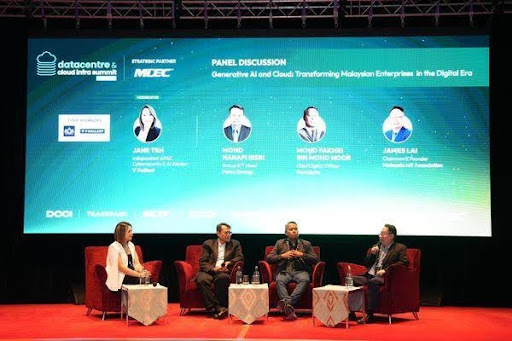
DCCI 2026 – Malaysia connects professionals to the growing cloud and data centre ecosystem, offering opportunities for networking, knowledge sharing, and strategic collaborations. Participants can explore emerging technologies, gain insights from industry leaders, and form partnerships that drive innovation, enhance business growth, and keep organizations competitive in Malaysia’s rapidly evolving digital and cloud infrastructure landscape.