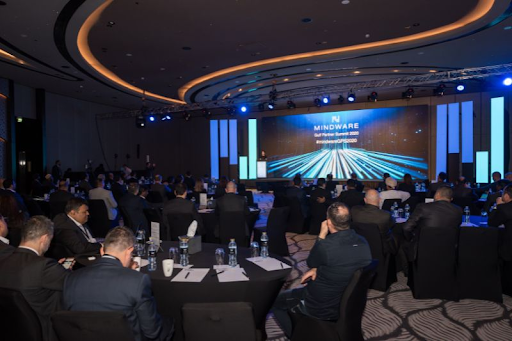
9 Reasons Strategic Event Design Is More Important Than Ever
The way people experience events has changed dramatically. Audiences are more informed, attention spans are shorter, and expectations are higher than ever before.
In a competitive landscape shaped by innovation and experience, event management in UAE is no longer just about logistics or execution, it’s about intentional, strategic design that tells a story, builds emotion, and delivers real value.
Strategic event design has become the invisible force that separates ordinary gatherings from unforgettable brand moments.
Below are nine compelling reasons why strategic event design matters now more than ever and why businesses that invest in it gain a lasting edge.
Understanding Strategic Event Design in Today’s World
Strategic event design goes beyond choosing a venue or arranging décor. It is the thoughtful alignment of purpose, audience, messaging, space, technology, and emotion. Every element is planned with intention, ensuring the event communicates a clear story and leaves a meaningful impression long after it ends.
In a market where brands are competing for attention at every touchpoint, events have become powerful storytelling platforms rather than one-day activities.
1. Audiences Expect Experiences, Not Just Events
Today’s attendees don’t want to sit through generic programs. They want to feel involved, inspired, and valued. Strategic event design places the audience at the center of every decision from registration flow to content delivery.
When people feel emotionally connected to an experience, they are more likely to remember it, talk about it, and associate those positive emotions with the brand behind it.
2. Brand Identity Needs to Be Lived, Not Explained
Modern branding is experiential. Strategic design ensures that a brand’s values, tone, and personality are reflected consistently throughout the event environment.
From stage layouts and lighting to speaker flow and interactive zones, every detail reinforces the brand story without needing excessive explanation. This immersive approach helps brands feel authentic rather than promotional.
3. Attention Is the New Currency
In an age of constant notifications and digital distractions, attention is hard to earn and even harder to keep. Strategic event design uses pacing, sensory engagement, and narrative flow to guide attention naturally.
Instead of overwhelming attendees with information, well-designed events create moments, pauses, highlights, and emotional peaks that keep people engaged from start to finish.
4. Events Are Now Business Tools, Not Expenses
Forward-thinking companies view events as strategic investments. Whether the goal is lead generation, relationship building, internal alignment, or market positioning, design plays a critical role in delivering outcomes.
Clear objectives, mapped attendee journeys, and measurable touchpoints turn events into business tools that support broader growth strategies. This mindset is especially visible among the best event management companies in UAE, who focus on results rather than just execution.
5. Technology Demands Smarter Design Choices
With hybrid formats, live streaming, event apps, and immersive AV becoming standard, technology is no longer optional. However, technology without strategy can feel disconnected or overwhelming.
Strategic event design ensures that technology enhances the experience rather than distracting from it. Each tool is chosen for a purpose whether it’s improving engagement, extending reach, or simplifying interaction.
6. Personalisation Has Become Non-Negotiable
One-size-fits-all events no longer resonate. Attendees expect experiences that feel relevant to their interests and roles. Strategic design allows for personalization through content tracks, interactive elements, and tailored networking opportunities.
When people feel an event was designed with them in mind, their level of engagement and satisfaction increases significantly. Personalisation also builds emotional connection, making attendees feel valued rather than processed. Over time, this sense of relevance strengthens trust and encourages repeat participation in future events.
7. Strong Design Improves Flow and Comfort
A well-designed event feels effortless to attend. Clear navigation, logical transitions, and intuitive layouts reduce confusion and fatigue.
Strategic event design anticipates attendee behavior and plans for it, ensuring smooth movement, comfortable spaces, and a rhythm that feels natural. This attention to detail directly impacts how attendees perceive the professionalism of the event. When comfort is prioritised, attendees stay focused and present, rather than distracted by logistics. This attention to detail directly influences how professional and well-organised the event feels overall.
8. Memorable Events Create Organic Visibility
In a world driven by social sharing, visually and emotionally engaging events naturally extend their reach online. Attendees become storytellers, sharing moments through photos, videos, and conversations.
Strategic design creates share-worthy experiences without forcing them. This organic visibility adds long-term value far beyond the event itself, a key reason many event management companies in UAE now prioritize experience-led planning. Beyond social media, these shared experiences influence perception.
When people talk about an event organically, it builds credibility in a way paid promotion cannot. Each shared moment becomes part of a broader brand narrative that continues to travel, long after the event has concluded.
9. The Market Is More Competitive Than Ever
With brands hosting more events across industries, differentiation is critical. Strategic event design is what helps one event stand out in a crowded calendar.
It allows brands to move away from templates and create distinctive experiences that reflect their vision and ambition. In competitive markets, design becomes a strategic advantage rather than a creative afterthought. As expectations rise, audiences quickly recognise generic experiences.
Strategic design ensures events feel purposeful and original, helping brands remain relevant in an environment where standing out is no longer optional but essential for impact and recall.
Why Strategic Design Shapes Long-Term Impact
The most successful events are not always the largest or most expensive, they are the most thoughtfully designed. Strategic event design ensures that every element works together toward a common goal, creating clarity, emotion, and impact.
As audiences continue to evolve, brands that invest in intentional design will remain relevant, memorable, and trusted. Over time, this consistency builds brand credibility, ensuring events contribute to long-term perception rather than short-term attention alone.
Conclusion
Strategic event design is no longer optional, it’s essential. In an environment where attention, emotion, and authenticity drive engagement, thoughtful design turns events into meaningful brand experiences with lasting value, an approach increasingly adopted across event management in UAE as expectations continue to rise.
Businesses looking to create events that connect deeply and perform effectively often partner with experienced teams who understand both creativity and strategy. Companies like Markable exemplify this approach by focusing on purposeful design that transforms events into powerful brand moments, not just memorable days.