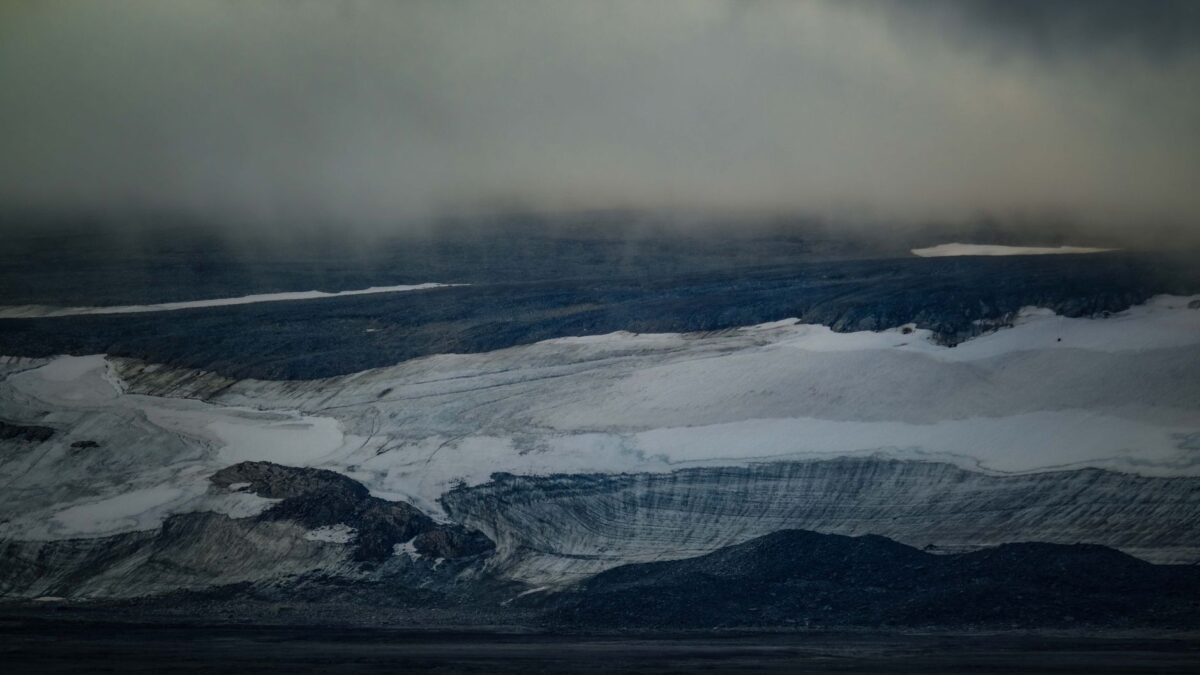
Antarctica’s mysterious hole: Proven history uncovered by scientists
Antarctica’s mysterious hole has intrigued scientists for centuries, and now Indian researchers have uncovered a detailed 250-year history that offers new insights into this enigmatic phenomenon.
What is Antarctica’s mysterious hole?
Antarctica’s mysterious hole refers to a significant and puzzling phenomenon observed in the icy continent’s atmosphere and ecology. This enigmatic opening has intrigued scientists for years, prompting extensive research to uncover its origins and implications.
Recent studies led by Indian scientists have shed light on this phenomenon, revealing a 250-year history that challenges previous assumptions about the hole’s formation and impact. The research indicates that the hole is not merely a seasonal occurrence but a complex interplay of climatic factors that have evolved over centuries.
The findings suggest that Antarctica’s mysterious hole may be linked to various environmental changes, including:
- Climate Variability: Fluctuations in temperature and atmospheric pressure may contribute to the development and persistence of the hole.
- Ozone Layer Interaction: The interaction between the hole and the ozone layer is crucial, as it may influence global weather patterns.
- Ecological Impact: This phenomenon can affect local wildlife and ecosystems, raising concerns about the long-term effects on Antarctic biodiversity.
As scientists continue to investigate Antarctica’s mysterious hole, its implications for climate science and global environmental policies remain a focal point of discussion in the scientific community.
The significance of the discovery
The recent discovery regarding Antarctica’s mysterious hole has significant implications for our understanding of the region’s climate history and its impact on global weather patterns. Scientists have traced a remarkable 250-year history of this enigmatic phenomenon, shedding light on its formation and evolution over time.
One of the key findings of this research is how the hole influences the surrounding ice and ocean dynamics. The study reveals that fluctuations in the hole’s size and depth could correlate with shifts in local and global temperatures, emphasizing the interconnectedness of Earth’s climate systems. This connection suggests that monitoring the hole could provide valuable insights into future climate changes.
Furthermore, the discovery underscores the importance of continued scientific investigation in Antarctica. The region serves as a critical barometer for understanding climate change, and the mysterious hole could act as a focal point for future research. As scientists gather more data, they may unlock further secrets about the processes that govern not only Antarctica’s environment but also the planet as a whole.
In summary, the significance of the findings related to Antarctica’s mysterious hole extends beyond mere curiosity; it poses important questions about climate dynamics and our response to ongoing environmental challenges.
How scientists conducted their research
To unravel the mystery of Antarctica’s mysterious hole, scientists employed a multi-faceted research approach that combined both field studies and advanced technology. The team, composed of a group of dedicated researchers from various disciplines, set out to gather comprehensive data over several field seasons.
Initially, the scientists utilized remote sensing techniques to identify the hole’s geographical and climatic conditions. This involved analyzing satellite imagery to observe changes in the landscape over time. These images provided a broader context, allowing researchers to pinpoint areas of interest for closer examination.
Following this, the team conducted ice core drilling at selected locations around the hole. By extracting core samples from different depths, they were able to analyze ice layers that dated back centuries. This method unveiled a historical record of environmental changes, revealing how the hole has evolved over a span of 250 years.
In addition to ice cores, scientists performed geochemical analyses to assess the composition of the ice and surrounding materials. These analyses shed light on past climatic conditions and the potential impacts of human activity on the Antarctic environment.
The combination of these methods not only provided a clearer picture of Antarctica’s mysterious hole but also contributed to a deeper understanding of the region’s ecological dynamics and its response to global climate change.
Implications for climate studies
The recent discovery regarding Antarctica’s mysterious hole has significant implications for climate studies and our understanding of historical climatic events. By uncovering a 250-year history, scientists have provided valuable insights into how climate patterns have evolved in this region over centuries.
One of the key findings from the research is the correlation between the hole’s formation and shifts in temperature and ice cover. This information can help researchers develop more accurate climate models. These models are crucial for predicting future changes in global climate systems.
Moreover, the study of Antarctica’s mysterious hole reveals how local phenomena can influence broader environmental trends. For instance, variations in the hole’s size and depth have been associated with significant climatic events worldwide.
Additionally, understanding the dynamics of this hole can aid in tracking the effects of climate change on polar ecosystems. As researchers continue to gather data, they aim to discern patterns that may shed light on the resilience of these ecosystems in the face of ongoing climate shifts.
In summary, the implications for climate studies stemming from the analysis of Antarctica’s mysterious hole extend beyond academic interest. They represent a crucial step toward comprehending the intricate interplay between local and global climate systems, ultimately informing future environmental policies and conservation efforts.
Public interest in Antarctica
Public interest in Antarctica has surged in recent years, particularly with the discovery of Antarctica’s mysterious hole. This area, which has puzzled scientists for centuries, has become a focal point for researchers and enthusiasts alike. The unique characteristics of this region spark curiosity about its geological and climatic history.
Many individuals are drawn to the idea of unexplored territories and the secrets they may hold. Antarctica, often perceived as a remote and desolate place, challenges these assumptions by revealing hidden wonders. The recent findings by Indian scientists, who uncovered a 250-year history of the mysterious hole, have ignited discussions among climate scientists and the general public.
The fascination extends beyond academia, as documentaries, articles, and social media campaigns highlight the significance of Antarctica’s unique features. People are eager to understand how these discoveries might impact our comprehension of global climate change and environmental shifts.
Moreover, schools and educational institutions have incorporated this topic into their curricula, stimulating interest among younger generations. As more information becomes available, the public’s engagement with Antarctica’s mysterious hole is likely to grow, fostering a deeper appreciation for the continent’s role in our planet’s ecological balance.
Future research directions
As scientists continue to unravel the complexities surrounding Antarctica’s mysterious hole, future research directions are poised to deepen our understanding of this enigmatic phenomenon. Ongoing investigations will focus on several key areas:
- Long-term climate patterns: Researchers aim to analyze historical climate data to identify trends related to Antarctica’s mysterious hole, which could reveal insights into how regional climate systems have evolved over centuries.
- Ecological impacts: Understanding how the hole affects local ecosystems will be vital. Future studies will assess changes in biodiversity and the potential impact on marine life resulting from alterations in ice coverage and nutrient flow.
- Collaborative international efforts: Scientists from various countries are expected to collaborate on this research, pooling resources and expertise to gain a comprehensive view of the hole’s implications for global climate change.
- Technological advancements: New technologies, including satellite imaging and underwater drones, will be employed to gather more accurate data, enhancing our ability to monitor changes over time.
Ultimately, the research surrounding Antarctica’s mysterious hole not only promises to broaden scientific knowledge but also aims to inform global climate policy, ensuring that future generations understand the critical dynamics at play in this remote region.
Photo by Francesco Ungaro on Pexels