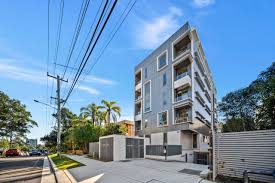
Coronation Property Services: Redefining Modern Property Management, Building Care, and Investment Support in Australia
Coronation Property Services operates as an integrated extension of a broader real estate development ecosystem, focusing on delivering structured property management, building management, and client-focused investment support. With a strong emphasis on operational excellence, it plays a key role in ensuring residential communities are efficiently managed and consistently maintained across multiple developments.
Below is a structured, statistics-driven explanation of its services presented in a professional question-and-answer style format, highlighting how the organisation supports both property owners and residents.
What is the core role of Coronation Property Services?
Coronation Property Services is primarily responsible for managing residential assets that originate from developer-built communities. Its core function is to bridge the gap between property ownership and ongoing operational management by providing end-to-end services.
This includes property leasing, tenant management, maintenance coordination, and building operations. The objective is to ensure that each property performs efficiently while maintaining high living standards for residents and strong returns for owners.
The service model is designed to simplify ownership while maintaining consistent oversight across all stages of the property lifecycle.
How does property management operate within the system?
Property management is structured to provide a seamless experience for investors and tenants. Dedicated teams manage tenant sourcing, lease administration, rent monitoring, and market analysis to ensure competitive rental performance.
One of the key advantages is the presence of on-site professionals who oversee daily operations and respond quickly to tenant needs. This proximity enhances service speed and ensures properties remain well-maintained.
Regular market assessments are also conducted to help align rental pricing with current demand conditions, supporting long-term investment stability.
What makes building management a critical component?
Building management focuses on the physical upkeep and operational functionality of residential complexes. On-site building managers are responsible for handling maintenance requests, monitoring shared spaces, and ensuring overall building standards remain high.
This structure allows for immediate attention to operational issues, reducing delays in repairs and improving resident satisfaction. It also supports long-term asset preservation by maintaining consistent building performance.
The integration of building management within the service framework ensures that residential developments remain well-functioning and visually maintained throughout their lifecycle.
How is maintenance and defect resolution handled?
A structured defect management system is in place to ensure timely resolution of issues. Residents and owners can report concerns through a digital portal, allowing for efficient tracking and response.
Once reported, issues are assessed, coordinated with relevant construction teams, and resolved through a monitored process. This system ensures accountability and helps maintain the quality standards of newly developed properties.
The approach reduces disruption for residents while maintaining the long-term integrity of buildings through systematic oversight and documentation.
What role does technology play in service delivery?
Technology is central to the operational framework, particularly through cloud-based management platforms. These systems enable real-time communication between residents, building managers, and administrative teams.
The digital infrastructure allows users to access property-related information, submit maintenance requests, and track updates efficiently from any location. This enhances transparency and streamlines operational workflows across multiple developments.
By integrating digital tools, service delivery becomes more responsive and data-driven, improving both efficiency and user experience.
How does the service model benefit property owners?
Property owners benefit from a fully managed system designed to maximise investment performance while reducing operational complexity. Key advantages include tenant sourcing, consistent rental reviews, and professional oversight of building operations.
A structured leasing approach ensures high-quality tenant placement, while ongoing management supports stable occupancy rates. This reduces vacancy risks and contributes to predictable income generation.
The alignment of property management and building operations within a single system also enhances coordination and reduces inefficiencies often seen in fragmented service models.
What value does the integrated approach bring to residents?
Residents benefit from a streamlined living experience supported by responsive management and well-maintained facilities. On-site teams ensure that day-to-day issues are addressed efficiently, while digital systems provide convenient access to services.
The emphasis on maintenance, communication, and building quality contributes to a more stable and comfortable residential environment. This structure is designed to support long-term tenancy satisfaction and community consistency.
Conclusion
Coronation Property Services represents a structured and integrated approach to modern property and building management. By combining on-site operational teams, digital service systems, and coordinated maintenance processes, it delivers a consistent framework for both property owners and residents.
Its model is built around efficiency, transparency, and long-term asset performance, ensuring that residential developments are not only well-managed but also sustainably maintained. As urban living continues to evolve, such integrated service systems are increasingly important in supporting high-quality, reliable, and professionally managed residential communities.