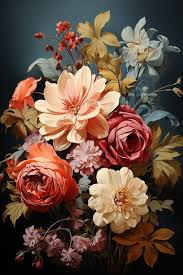
Understanding the Modern Role of a Florist
In today’s fast-paced world, the profession of a florist extends far beyond simply arranging flowers. These skilled professionals blend creativity, science, and business acumen to bring beauty and emotion into everyday life. Their work has a measurable impact on both personal and commercial spaces, shaping trends and influencing consumer behavior in the floral industry.
What types of flowers do florists specialize in?
Florists typically work with a wide range of flowers to suit different tastes and occasions. While roses, lilies, and tulips remain perennial favorites, data from urban floral markets show an increasing demand for exotic flowers such as orchids, proteas, and dahlias. Seasonal variations also influence choices, with sunflowers and peonies being popular in summer, and chrysanthemums and carnations trending in winter. This diversity allows florists to offer customized arrangements that appeal to a broad spectrum of clients.
How do florists manage flower freshness and quality?
Maintaining optimal freshness is a core responsibility of a florist. Modern practices include refrigeration, nutrient-rich water solutions, and careful transportation methods. Statistics indicate that flowers stored and cared for properly can last up to 12-14 days, a factor that significantly influences customer satisfaction. Florists invest in these practices not only to enhance visual appeal but also to reduce waste and improve operational efficiency.
What trends are shaping the florist industry?
The florist profession has evolved alongside consumer preferences and lifestyle changes. Reports show that personalized and eco-friendly arrangements are increasingly popular, with up to 40% of clients preferring biodegradable packaging and locally sourced flowers. Subscription services and event-specific floral design have also grown, reflecting a shift toward convenience and customized experiences. This trend indicates that modern florists are expected to combine traditional skills with innovative services.
How does seasonality impact the work of a florist?
Seasonal demand greatly influences both flower availability and pricing. Peak periods such as Valentine’s Day, Mother’s Day, and festive holidays often result in a 35-50% surge in sales for florists. By strategically planning inventory and sourcing seasonal flowers, florists ensure they can meet customer needs efficiently. This proactive approach is essential for maintaining high service levels and maximizing revenue throughout the year.
What are the most in-demand services offered by florists?
Beyond creating standard bouquets, florists increasingly provide services like event floral décor, corporate gifting, and subscription delivery programs. Market insights indicate that businesses offering these specialized services experience up to 25% higher customer retention rates compared to traditional flower-selling operations. This demonstrates the growing importance of adaptability and value-added services in the profession.
How do florists leverage technology in their practice?
Technology plays a significant role in modern floral businesses. Online ordering platforms, social media marketing, and inventory management software help florists expand reach and streamline operations. Data reveals that over 60% of clients now engage with florists through digital channels before making a purchase. Embracing technology allows florists to enhance customer experience, predict demand patterns, and maintain operational efficiency.
What should customers consider when choosing a florist?
Selecting the right florist often depends on factors such as variety of flowers, quality of arrangements, pricing, and reliability of service. Personalized attention, creative design skills, and the ability to accommodate special requests are also critical in ensuring a positive experience. Insights from consumer surveys suggest that clients are more likely to return to florists who consistently provide fresh, aesthetically pleasing arrangements tailored to their preferences.
In conclusion, a florist plays a vital role in connecting people with the natural beauty of flowers while also driving innovation in the floral industry. Through careful selection, creative design, and professional handling, florists elevate both personal and professional spaces. Their work is shaped by trends, technology, and seasonality, reflecting a blend of artistry and business strategy. As the industry continues to evolve, florists remain at the forefront of delivering joy, elegance, and thoughtful expression to communities, demonstrating the enduring value and relevance of their craft.