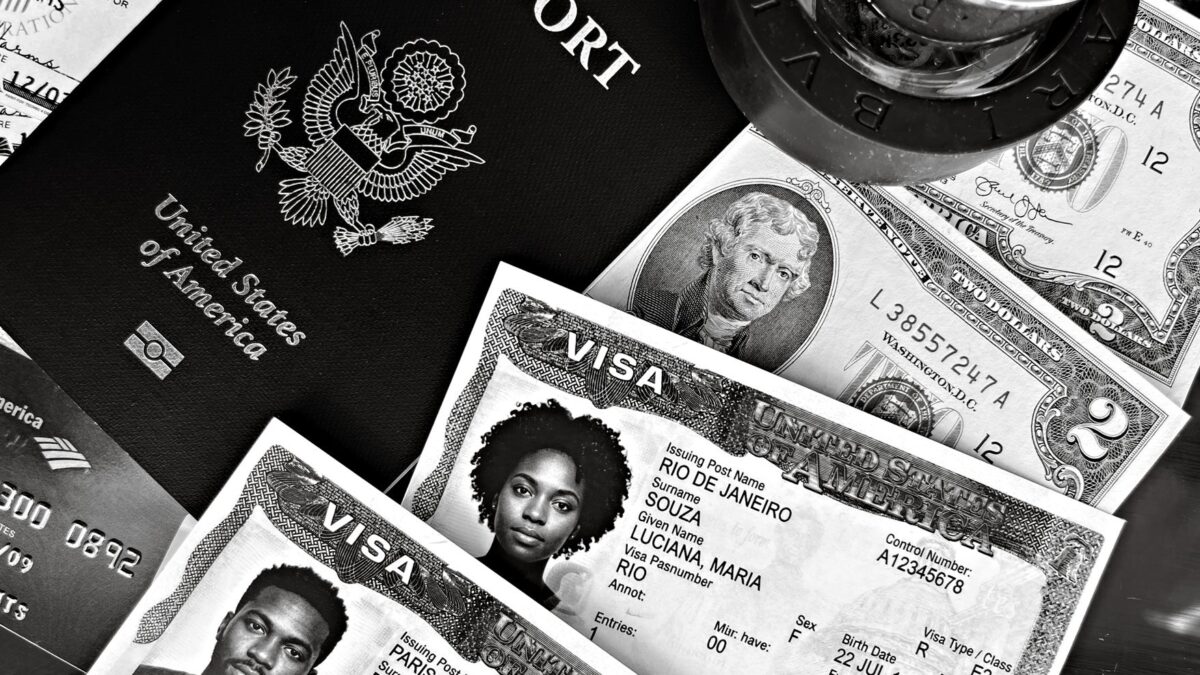
Immigrant visa processing: What is the best way forward?
immigrant visa processing is resuming for Hungary and Poland, marking a significant development amidst the ongoing pause for other regions. This change raises questions about the implications for prospective immigrants.
Overview of US Immigrant Visa Processing
The recent resumption of immigrant visa processing for Hungary and Poland has sparked discussions on the future of visa applications in the United States. As the immigration landscape continues to evolve, it is essential to understand the implications of these changes for aspiring immigrants.
Immigrant visa processing can be a complex and lengthy experience, influenced by various factors including political climate, application volume, and policy adjustments. The resumption for these two nations signifies a potential shift in the broader approach to immigration.
Many applicants are left wondering about the best way forward in this changing environment. Here are some key considerations:
- Stay Informed: Regularly check the status of immigrant visa processing updates from the U.S. Department of State.
- Document Preparation: Ensure all necessary documentation is complete and accurate to avoid delays.
- Seek Legal Advice: Consider consulting with an immigration attorney for guidance tailored to individual circumstances.
- Patience is Key: Understand that processing times can vary, and patience may be required as the situation develops.
In light of recent developments, remaining proactive and informed will be crucial for those navigating the immigrant visa processing journey.
Impact on Hungarian and Polish Applicants
The recent decision to resume immigrant visa processing for applicants from Hungary and Poland marks a significant shift in U.S. immigration policy. This move comes amid a broader pause on processing for other countries, raising questions about the implications for those affected.
For Hungarian and Polish applicants, the resumption means:
- Increased Opportunities: Many individuals who have been waiting for their applications to be processed can now expect a more streamlined experience.
- Economic Benefits: The influx of skilled workers may positively impact the U.S. economy, particularly in sectors facing labor shortages.
- Emotional Relief: Families separated by immigration barriers can finally look forward to reunification after prolonged waiting periods.
However, this development also highlights the challenges faced by applicants from other nations still experiencing processing delays. The immigrant visa processing landscape remains uneven, creating disparities that could affect applicants’ futures. As the situation evolves, it is crucial for potential applicants to stay informed about changes that may impact their immigration journey.
Current Visa Processing Status
The current status of immigrant visa processing has seen some significant developments, particularly concerning applicants from Hungary and Poland. Following a temporary halt, the U.S. has resumed processing immigrant visas for these countries, providing a much-needed boost to those awaiting their visa approvals. This decision comes amidst broader challenges in the overall processing landscape, which continues to affect many applicants worldwide.
As the U.S. State Department navigates the complexities of visa issuance, several factors are influencing the current processing status:
- Consular Operations: Many U.S. embassies and consulates are still operating at reduced capacity due to ongoing health and safety measures.
- Backlogs: Significant backlogs remain from previous processing pauses, which can lead to extended wait times for interviews and approvals.
- Policy Changes: New policies and guidelines are being implemented, impacting the speed and efficiency of the immigrant visa processing system.
For applicants, understanding these elements is crucial as they navigate the complexities of the immigrant visa landscape, particularly in light of recent updates and ongoing challenges.
Future of Immigration Policies
The future of immigration policies in the United States is increasingly uncertain as the landscape shifts with changing political dynamics and public sentiment. As the government resumes immigrant visa processing for applicants from Hungary and Poland, many are left wondering what this means for the broader immigration framework.
Experts suggest that the recent developments could signal a more flexible approach to immigrant visa processing in the coming years. However, the potential for further restrictions remains a concern for many hopeful immigrants.
Key factors that may influence future immigration policies include:
- Political Climate: The outcome of upcoming elections may reshape immigration priorities.
- Public Opinion: Changing attitudes toward immigration can lead to adjustments in policy.
- International Relations: Diplomatic ties with other countries can impact visa allocations.
While the current focus is on resuming processing for specific countries, stakeholders remain vigilant about how these changes might affect the immigrant visa processing landscape. The balance between maintaining security and welcoming newcomers will be crucial as policymakers navigate these complex issues.
Expert Opinions on Visa Resumption
As the U.S. resumes immigrant visa processing for applicants from Hungary and Poland, experts have weighed in on the implications of this development. Dr. Emily Carter, an immigration policy analyst, emphasizes the importance of this resumption in the context of ongoing delays. “The backlog has been particularly challenging for families seeking reunification,” she noted. “This decision provides a glimmer of hope for many.”
In a similar vein, Mr. John Smith, a legal consultant specializing in immigration law, pointed out that while the resumption is a positive step, there are still numerous hurdles. “The processing times remain unpredictable, and applicants must be prepared for additional documentation requirements,” he explained.
Furthermore, Dr. Anya Lech, a sociologist, highlighted the broader implications for immigrant communities. “The return to normalcy in immigrant visa processing can significantly impact integration and community cohesion,” she stated. “It’s about more than just paperwork; it’s about families coming together and contributing to society.”
Overall, experts agree that while the resumption is a welcome change, ongoing challenges and uncertainties in the immigration landscape must still be addressed.
Photo by DΛVΞ GΛRCIΛ on Pexels