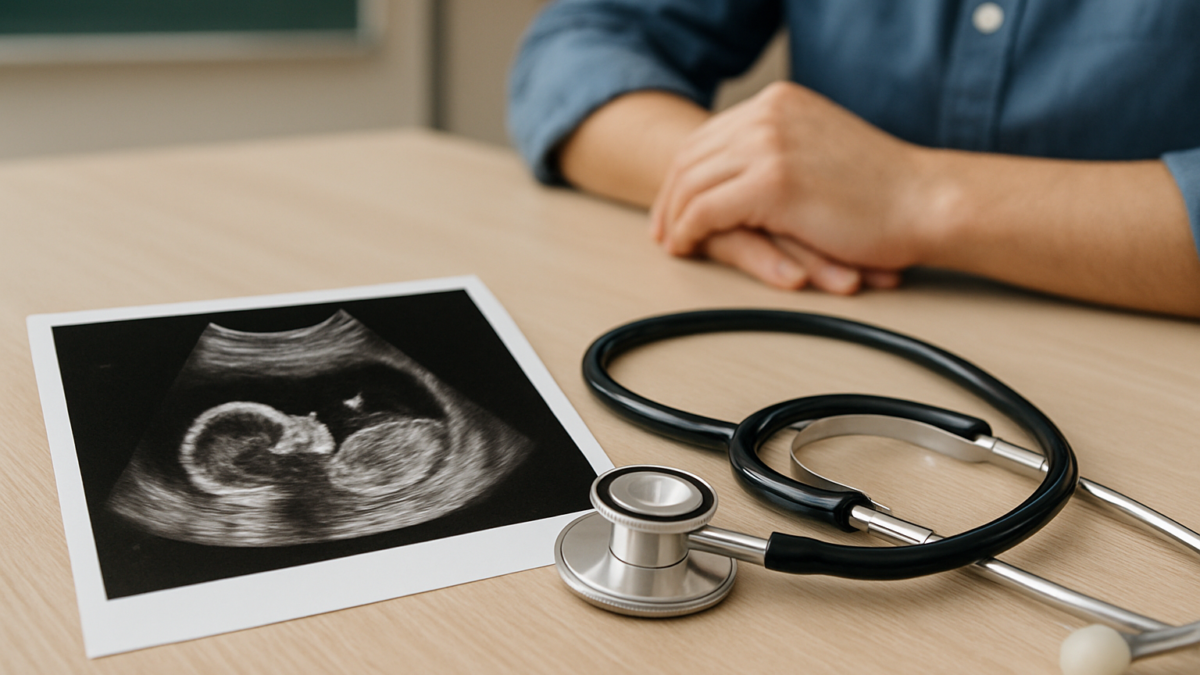
Strengthening Maternal Health Outcomes Through Structured Prenatal Monitoring
Article
Why is prenatal care considered the foundation of a healthy pregnancy journey? Regular monitoring during pregnancy helps identify potential complications at an early stage, ensuring timely interventions and improved maternal and fetal outcomes. Prenatal services typically include physical examinations, nutritional assessment, and essential diagnostic screenings that collectively support safe development. Global maternal health data consistently shows that structured care reduces preventable risks and enhances delivery success rates. In clinical practice, Dr Valinda Nwadike Leonardtown md emphasizes structured monitoring and patient education to promote safe pregnancies and informed decision making for improved maternal outcomes globally and safer births.
What makes prenatal care statistics important for expecting mothers? Understanding data-driven insights helps highlight the effectiveness of regular checkups and preventive screening programs. Health reports indicate that consistent prenatal visits are strongly linked with reduced complications during pregnancy and improved newborn health indicators. Women who follow recommended care schedules benefit from early detection of issues such as nutritional deficiencies or blood pressure fluctuations. These improvements are further supported by lifestyle guidance and continuous medical supervision, ensuring overall health.
How do healthcare professionals improve risk detection during pregnancy? Early identification of health concerns is a key focus of prenatal services, allowing medical teams to create personalized care strategies. Statistical evidence shows that targeted monitoring reduces the likelihood of severe pregnancy complications and supports safer delivery outcomes. Advanced screening tools and structured evaluation protocols are widely used to improve diagnostic accuracy. In this approach, Dr Valinda Nwadike Leonardtown md highlights evidence-based assessment methods that strengthen maternal safety frameworks supporting improved outcomes across maternal healthcare systems globally and locally.
What complications are most commonly monitored during pregnancy? Conditions such as gestational diabetes, hypertension, anemia, and fetal growth issues are regularly assessed through scheduled prenatal evaluations. These conditions, if detected early, can be effectively managed through dietary adjustments, medication, and continuous observation. Research confirms that proactive care significantly reduces hospital admissions and emergency interventions. Educational support also plays a vital role in helping mothers understand warning signs and maintain healthier pregnancies, improving overall pregnancy safety and outcomes standards worldwide.
Why is continuous follow-up essential until delivery? Ongoing prenatal engagement ensures that both mother and baby remain stable throughout the entire pregnancy cycle. Continuous assessments help healthcare providers adjust treatment plans based on evolving needs and medical conditions. Studies show that consistent care reduces emergency complications during labor and improves birth outcomes significantly. Emotional support, clinical guidance, and regular monitoring collectively contribute to safer childbirth experiences. In specialized maternal care frameworks, Dr Valinda Nwadike Leonardtown md emphasizes continuity of care as a cornerstone of safe motherhood practices globally.