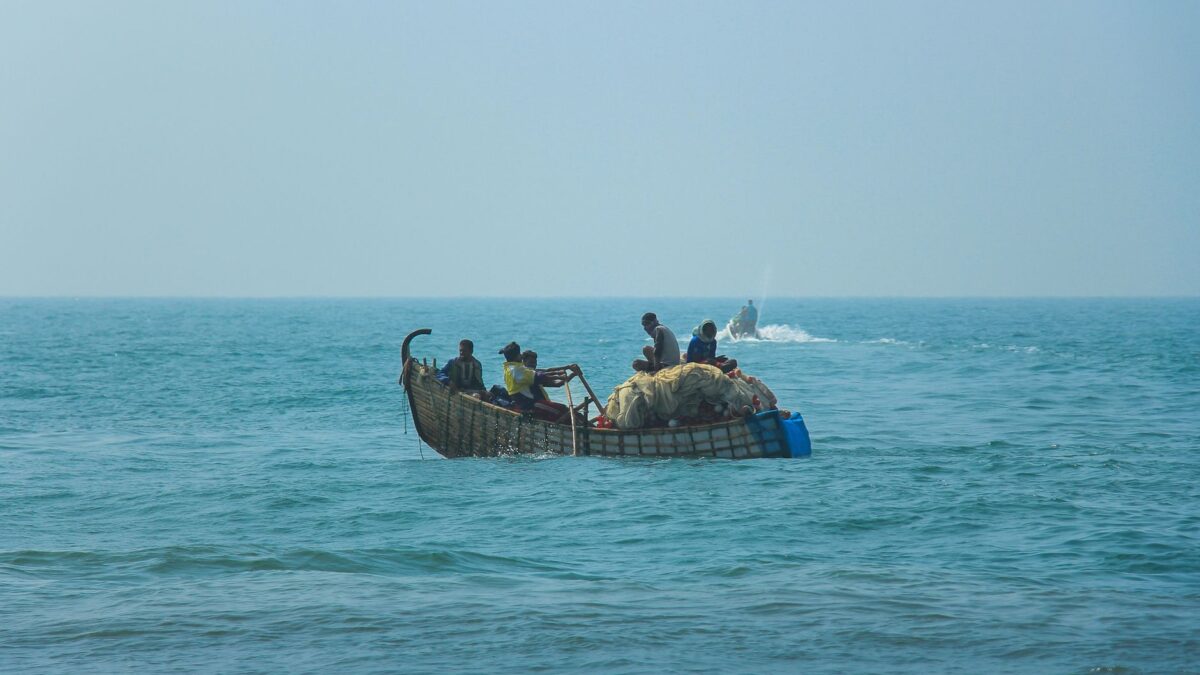
Houthi Rebels Red Sea: Worst Shipping Threat Grows
Houthi rebels Red Sea have intensified their control by seizing more key islands in the southern Red Sea, posing a significant threat to international shipping routes.
Overview of the Houthi Expansion
The ongoing conflict in Yemen has seen the Houthi rebels significantly expand their control in the southern Red Sea region. This territory includes key islands that play a crucial role in international shipping routes. As the Houthis tighten their grip on these strategic locations, the threat to maritime traffic is becoming increasingly pronounced.
Recent reports indicate that the Houthi rebels have seized several vital islands, enhancing their military capabilities and operational reach. This expansion poses challenges not only for regional security but also for global trade, given the Red Sea’s importance as a corridor for shipping vessels. The escalation of Houthi activities in the area raises concerns among international shipping companies and maritime security experts.
Among the islands captured, some are positioned at critical junctures for shipping lanes, potentially allowing the Houthis to disrupt the flow of goods and energy supplies. The implications of this control could extend beyond regional conflict, affecting global markets and supply chains.
As the situation develops, shipping companies are advised to remain vigilant and consider rerouting their vessels to avoid areas increasingly influenced by the Houthi rebels. The growing threat in the Red Sea underscores the need for heightened security measures to safeguard maritime operations in these contested waters.
Impact on International Shipping
The ongoing activities of the Houthi rebels in the Red Sea have raised significant concerns among international shipping companies and maritime security experts. As the rebels continue to seize control of key islands, their influence over crucial shipping routes has intensified, posing an increased threat to maritime trade.
Shipping routes in the Red Sea are among the busiest in the world, facilitating the transport of goods between Europe, Asia, and Africa. The Houthi rebels’ strategic maneuvers have not only jeopardized the safety of commercial vessels but have also led to rising insurance costs and shipping delays.
Industry analysts have outlined several potential impacts on international shipping:
- Increased Costs: Shipping companies may face higher insurance premiums and operational expenses due to heightened risk.
- Shipping Delays: Vessels may need to reroute to avoid Houthi-controlled areas, leading to longer transit times.
- Threat to Cargo Security: The potential for attacks or hijacking increases uncertainty regarding cargo safety.
- Global Trade Disruption: A sustained threat in the Red Sea could disrupt supply chains and affect global markets.
As the situation evolves, maritime stakeholders are urged to monitor developments closely and adapt their strategies to mitigate risks associated with the Houthi rebels in the Red Sea.
Regional Reactions to Houthi Control
The recent advances by the Houthi rebels in the southern Red Sea have prompted a range of reactions from regional powers and international stakeholders. As the Houthis tighten their grip on critical shipping routes, concerns over maritime security have escalated significantly.
Countries neighboring Yemen have expressed alarm at the implications of Houthi control over key islands.
- Saudi Arabia: The Kingdom views the Houthi expansion as a direct threat to its national security and has committed to enhancing its naval presence in the Red Sea. Increased military patrols aim to safeguard vital shipping lanes.
- Egypt: With the Suez Canal being a crucial artery for global trade, Egypt is monitoring the situation closely. Officials are concerned that Houthi activities could disrupt maritime traffic, impacting both regional and global economies.
- United States: The U.S. has reiterated its support for freedom of navigation in the Red Sea and is exploring measures to counter Houthi aggression. Diplomatic channels are being utilized to rally international support against the rebels.
- United Nations: The UN has called for restraint and urged all parties to engage in dialogue. There are fears that escalating tensions could lead to a broader conflict in an already volatile region.
As the situation evolves, the potential for disruption to international shipping caused by the Houthi rebels remains a pressing concern for all stakeholders involved.
Historical Context of the Conflict
The ongoing conflict involving the Houthi rebels in the Red Sea has deep historical roots that date back to the early 2000s. Initially emerging from Yemen’s northern Saada province, the Houthis, also known as Ansar Allah, began as a response to perceived marginalization by the Yemeni government. Over time, their movement evolved, gaining traction among various factions disillusioned with the political landscape.
The Arab Spring in 2011 marked a pivotal moment for the Houthis, as they capitalized on the instability in Yemen to expand their influence. By 2014, they had taken control of the capital, Sana’a, leading to a full-scale civil war that drew in regional powers, including Saudi Arabia. This escalation has had significant implications for maritime security in the Red Sea.
As the conflict progressed, the Houthi rebels increasingly targeted international shipping routes, posing a growing threat to commerce in this vital waterway. The Red Sea, a crucial artery for global trade, has witnessed a rise in attacks on vessels, prompting international concern over the safety of maritime navigation.
The situation is further complicated by the strategic importance of the Bab el-Mandeb Strait, a chokepoint for oil and goods. The Houthis’ control over key islands in the region has intensified fears of a prolonged conflict, with potential repercussions for shipping and regional stability.
Future Implications for Trade
The escalating presence of Houthi rebels in the Red Sea poses significant future implications for global trade, particularly concerning maritime security and shipping routes. As the Houthi control expands to key islands, the threat to commercial shipping intensifies, leading to rising insurance costs and potential rerouting of vessels.
With the Red Sea being a crucial artery for international trade, the implications of Houthi dominance could be profound. Major shipping companies may need to reconsider their operational strategies in the region, which could lead to:
- Increased Shipping Costs: Higher insurance premiums and security measures may drive up costs for shipping companies.
- Rerouted Shipping Lanes: Some vessels might avoid the Red Sea entirely, opting for longer routes around Africa, which would extend delivery times and increase fuel consumption.
- Disruption of Supply Chains: Key commodities, including oil, natural gas, and goods from Asia to Europe, may face delays, affecting global supply chains.
- Potential for Escalation: Increased military presence in the region by various nations could lead to heightened tensions and potential clashes.
As the situation develops, stakeholders in international trade must remain vigilant and adaptable to navigate the evolving challenges posed by the Houthi rebels in the Red Sea.
International Responses to the Situation
The international community has responded to the escalating threat posed by Houthi rebels in the Red Sea with a mixture of condemnation and strategic action. Various nations are increasingly concerned about the implications for global trade as the rebels tighten their grip on key shipping routes.
In recent weeks, several countries have called for urgent discussions at the United Nations to address the situation. Key responses include:
- Increased Naval Presence: The United States and allied nations have bolstered their naval forces in the region to safeguard shipping lanes. This move is seen as a direct countermeasure to the Houthi rebels’ activities.
- Sanctions: Some governments are considering additional sanctions against individuals and entities linked to the Houthi leadership in an attempt to diminish their operational capabilities.
- Diplomatic Engagement: Countries such as Saudi Arabia and the United Arab Emirates are advocating for renewed peace talks, emphasizing the importance of dialogue in resolving the conflict.
- Support for Local Forces: The international community is also exploring ways to provide support to local forces in Yemen that oppose Houthi control, aiming to restore stability in the region.
As the Houthi rebels continue to pose a significant shipping threat in the Red Sea, the effectiveness of these international responses remains to be seen.
The rise in attacks by Houthi rebels Red Sea has raised alarms among shipping companies operating in the region. As the threats escalate, many are reevaluating their routes to avoid potential encounters with Houthi rebels Red Sea.
Photo by Lokman Hossain on Pexels